Exploring Material Options to Suit Your Home’s Exterior
Selecting the right material for your home’s exterior can be challenging. Different materials offer unique advantages and challenges, affecting not just how your home looks but also its durability and value. This article will guide you through various siding options, helping you decide which material best meets your needs. Understanding the pros and cons of each option ensures that your choice aligns with both your aesthetic preferences and practical requirements.
Understanding the Benefits of Various Materials
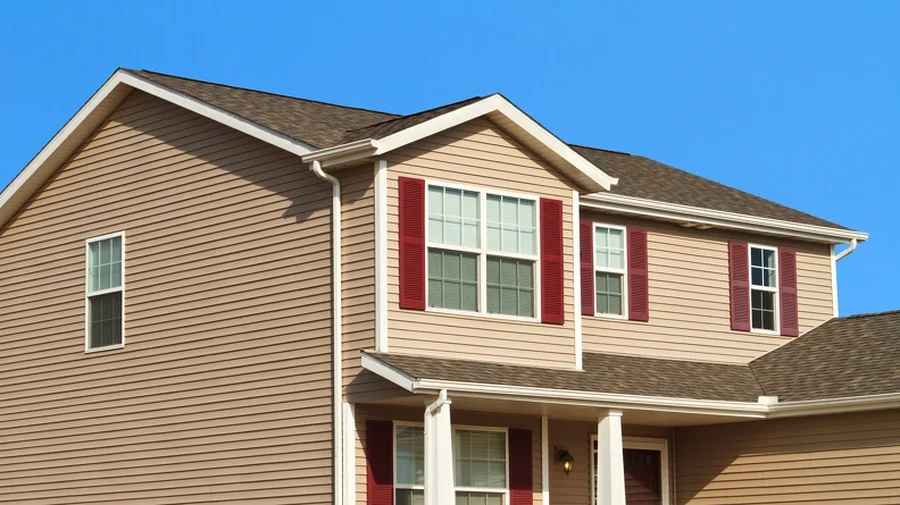
When considering siding materials, it’s essential to understand what benefits they offer. Vinyl, for instance, is popular due to its affordability and ease of maintenance. Wood siding provides a natural appearance that many homeowners adore. Fiber cement combines durability with aesthetic flexibility, while metal siding offers an industrial look and exceptional longevity. Each material contributes differently to energy efficiency, weather resistance, and overall home value.
Siding Installation Challenges You Might Face
Siding installation can present several challenges that homeowners need to address. Improper installation may lead to water damage or reduce insulation effectiveness. Climate considerations are crucial; some materials perform better in specific conditions than others. Additionally, finding skilled professionals is vital as improper techniques can compromise material performance over time.
Professional Solutions for a Successful Installation
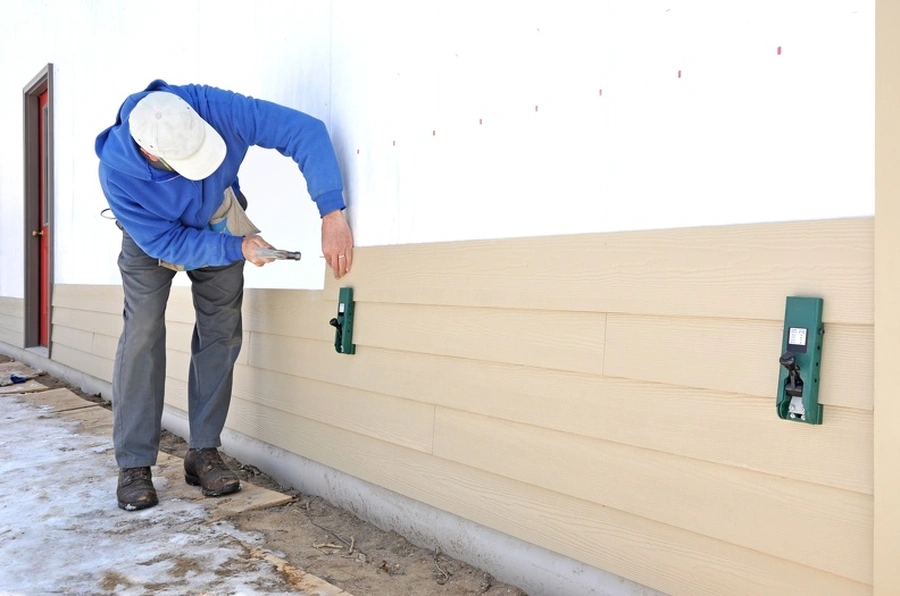
Working with experts can alleviate many concerns related to siding installation. They ensure precise measurements and handle materials according to manufacturer guidelines. Hiring experienced contractors reduces risks associated with poor craftsmanship. Professionals can also provide insights into which materials are best suited for local climate conditions, ensuring long-term satisfaction with your choice.
Best Practices in Choosing Siding Materials
- Evaluate your region’s climate impact on material selection
- Consider maintenance commitments required by different materials
- Research warranties offered by manufacturers
- Seek advice from experienced contractors
- Balance initial cost against long-term benefits
Key Industry Standards and Requirements
The construction industry sets standards for siding materials and their installation. For example, vinyl siding should meet ASTM specifications for thickness and impact resistance. Fiber cement products must comply with safety guidelines regarding silica dust exposure during cutting. Ensuring compliance with these standards guarantees quality assurance and enhances product longevity.
Cost Considerations When Selecting Siding
Initial costs vary significantly between materials like vinyl, wood, and fiber cement. However, evaluating long-term expenses such as maintenance and energy efficiency can affect total ownership costs. Energy-efficient options might come at a premium but could lead to savings on utility bills over time. Calculating return on investment involves weighing upfront expenditure against potential future savings.
Your Path Forward With Expert Help
Making the right siding choice involves understanding both aesthetics and functionality. Our company, AMR General Contractor LLC, is here to assist you every step of the way. We provide expert consultations tailored to your specific needs and preferences. Located in Graham, WA, we have extensive experience working within diverse environments. Reach out at (425) 791-2774 to discover how we can help make your next project a success.